
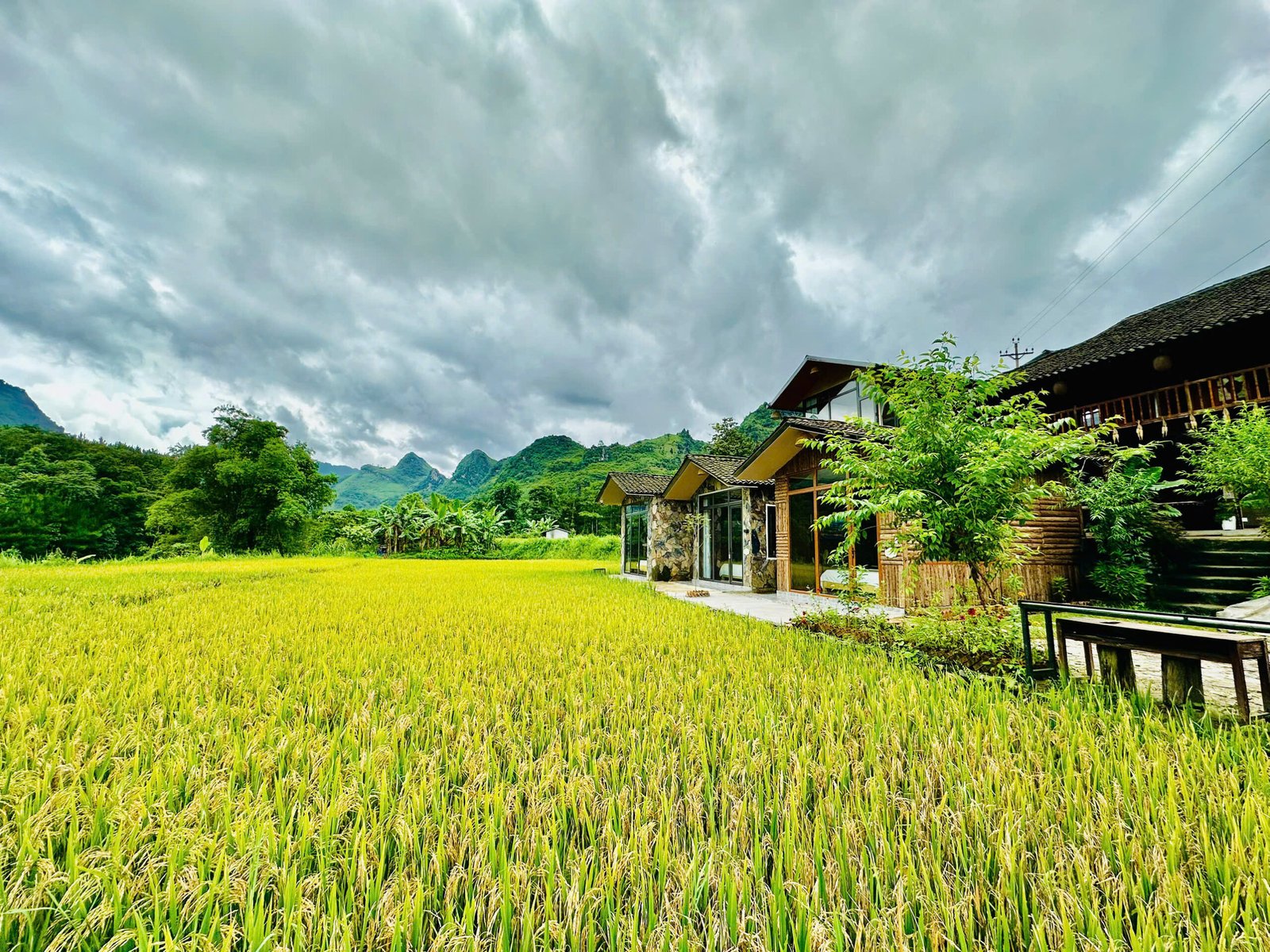
Where You'll Sleep on the Ha Giang Loop
Every night on the loop, you sleep in a homestay — a family home in a mountain village, not a hotel. Which one depends on the season, the size of your group and what's available that week, so we won't pretend to know in advance.
What we can tell you is the standard. Every homestay we work with meets the same conditions. No surprises when you get there.
What Every Homestay Gives You
These aren't hopes or averages. If a homestay can't do all of this, we don't send our guests there.
-
A real mattress, clean sheets and a pillow — never a floor mat
-
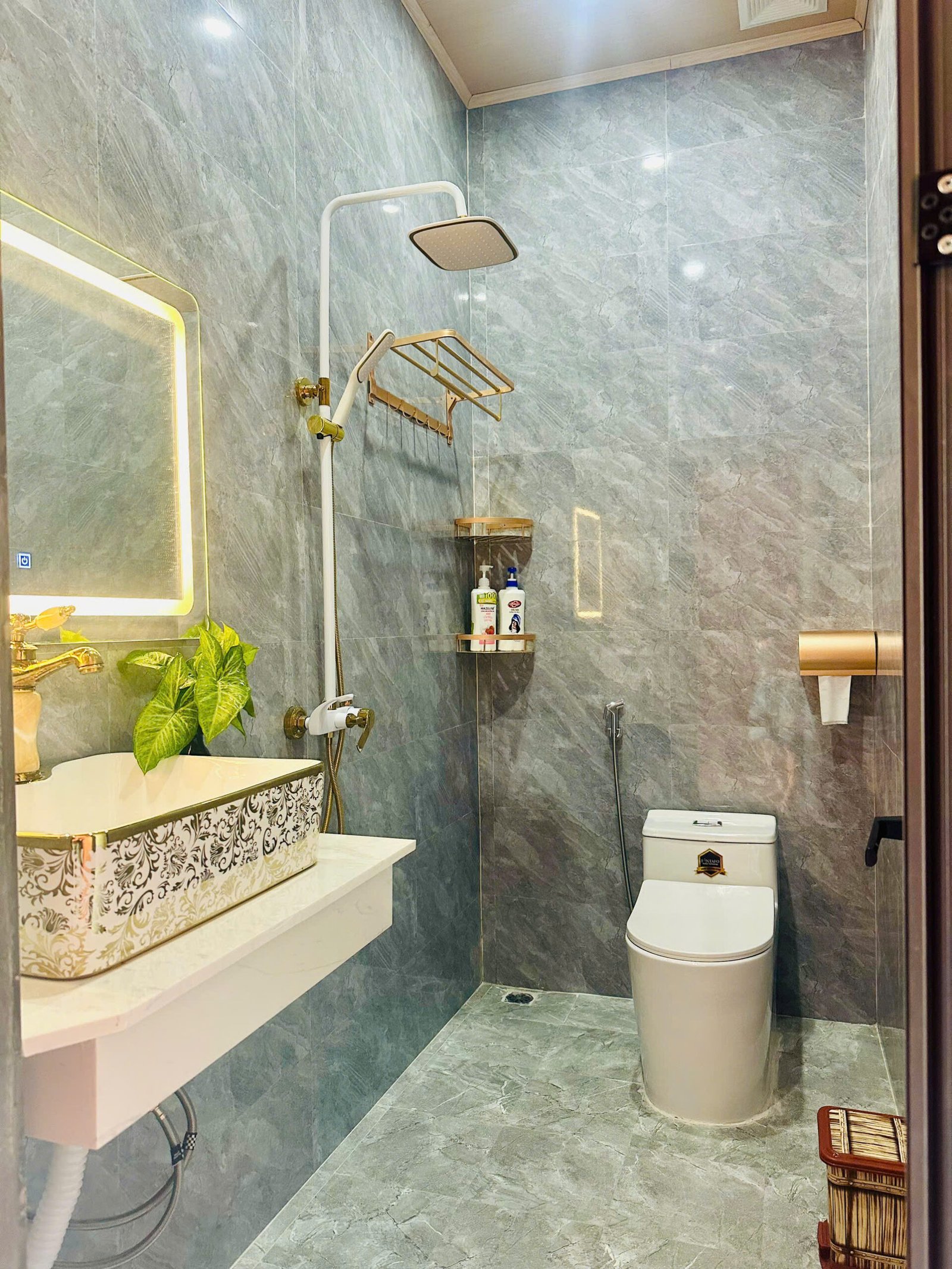
Hot shower, every night, no queueing at 6 AM
-
Thick blankets from October to March. Mountain nights get properly cold
-
Mosquito net or screened windows, depending on the room
-
A power socket you can reach from your bed
-
Working Wi-Fi in every homestay — better than most people expect this far into the mountains
-
Dinner and breakfast included, cooked by the family
-
Bathrooms cleaned daily — we check, and we drop homestays that slip
-
Somewhere safe for your bag while you're out riding
What a Night on the Loop Actually Looks Like
Not where you'll sleep — we can't promise that. But how the evening goes, every time.
-
Late afternoon
You arrive
Riding is done for the day. Bags off the bike, shoes off at the door, and someone puts the kettle on.
-
Before dinner
Shower first
The hot water is at its best before everyone else gets the same idea. Take the hint.
-
Around 7 PM
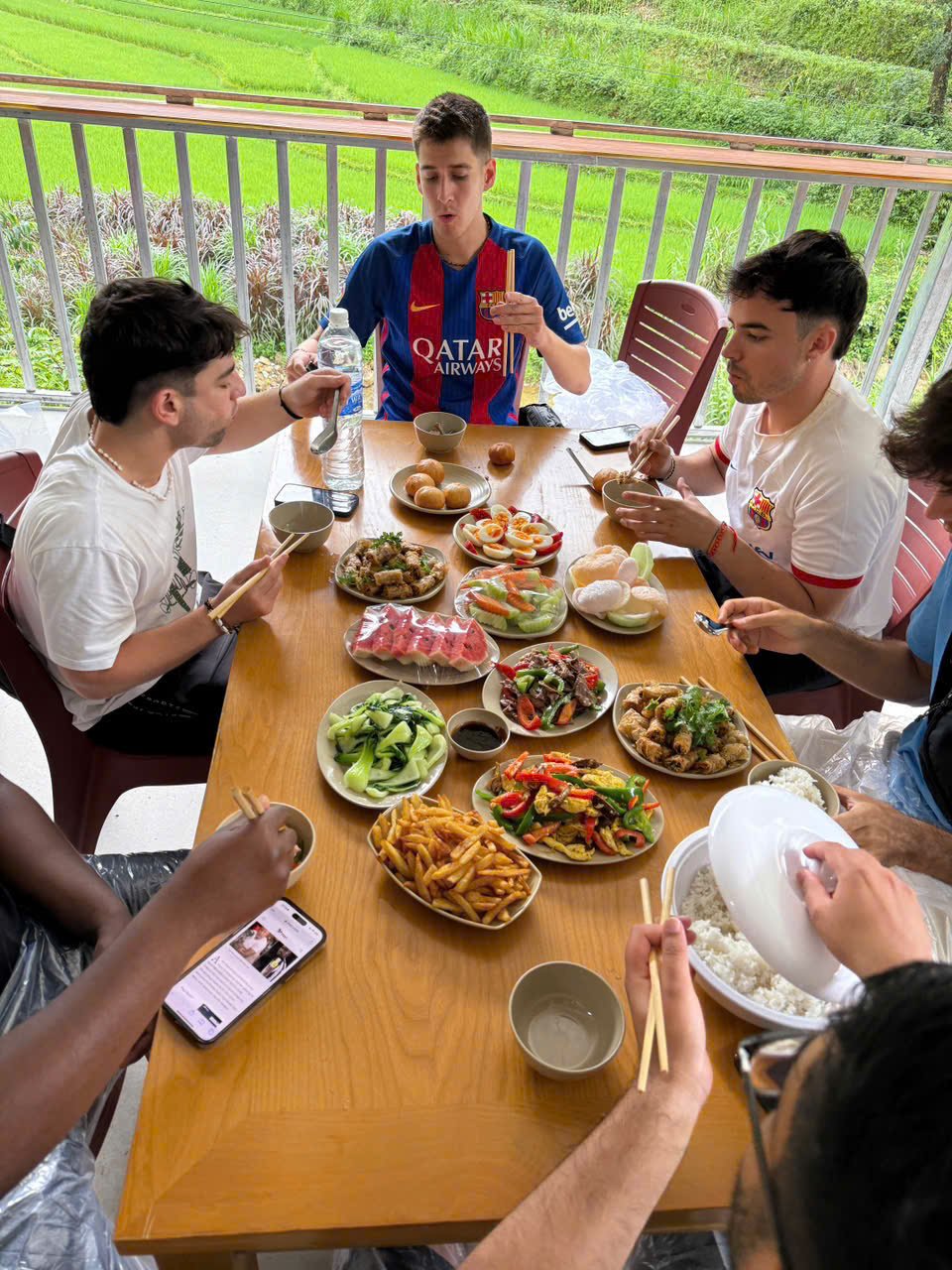
Dinner, all at one table
Your group, whoever else is staying that night, and often the family who cooked it. This is where most people end up making friends with riders they'd never have spoken to on the road.
-
Early
Lights out
Nobody stays up late on the Ha Giang Loop. The mountain air takes care of that.
-
7 – 8 AM
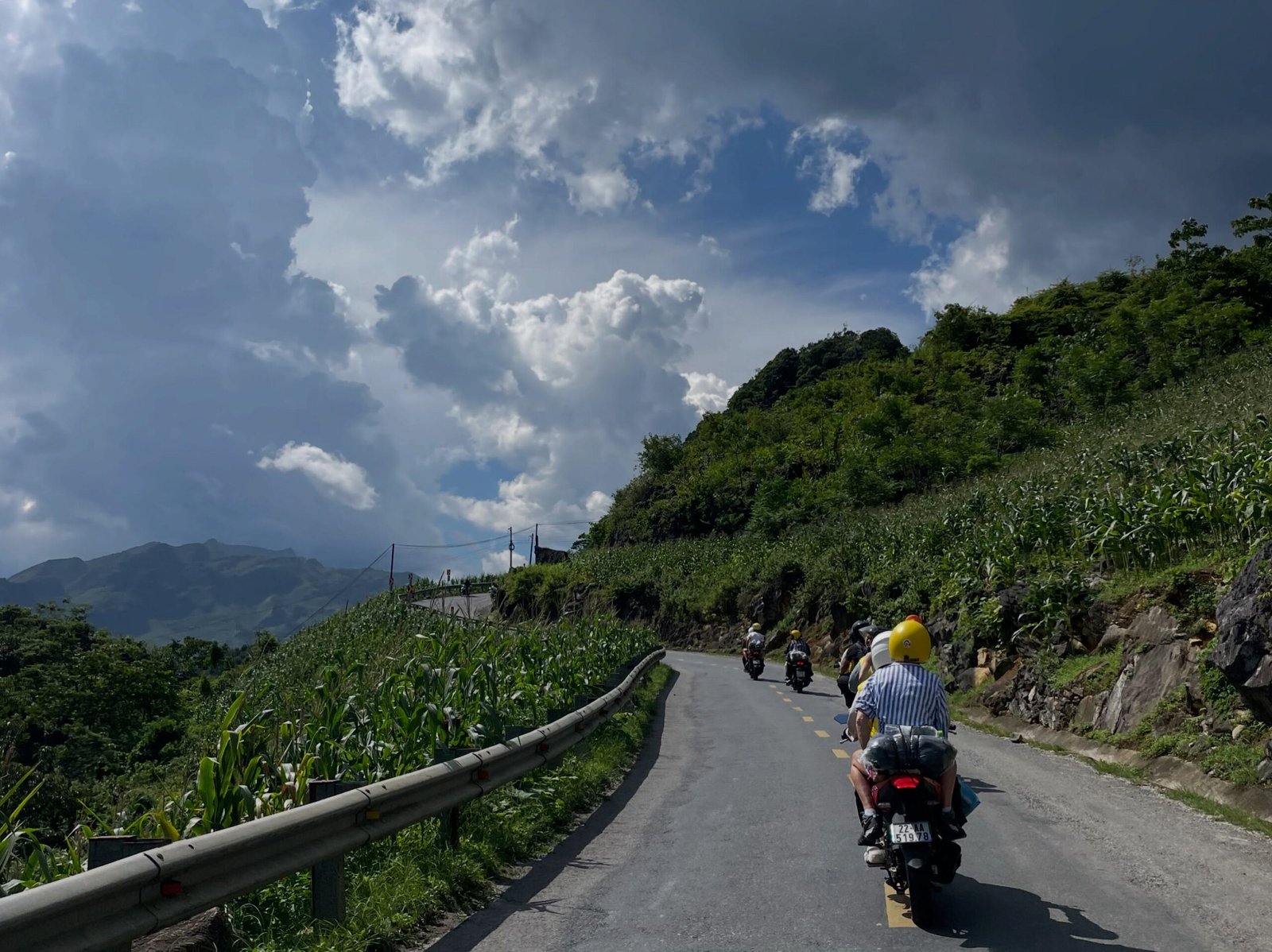
Breakfast, then back on the bikes
Breakfast is included and cooked fresh. You're usually riding again by nine.
The Two Kinds of Room You Might Get
Whichever village you end up in, it's one of these two. Both meet the standard above.
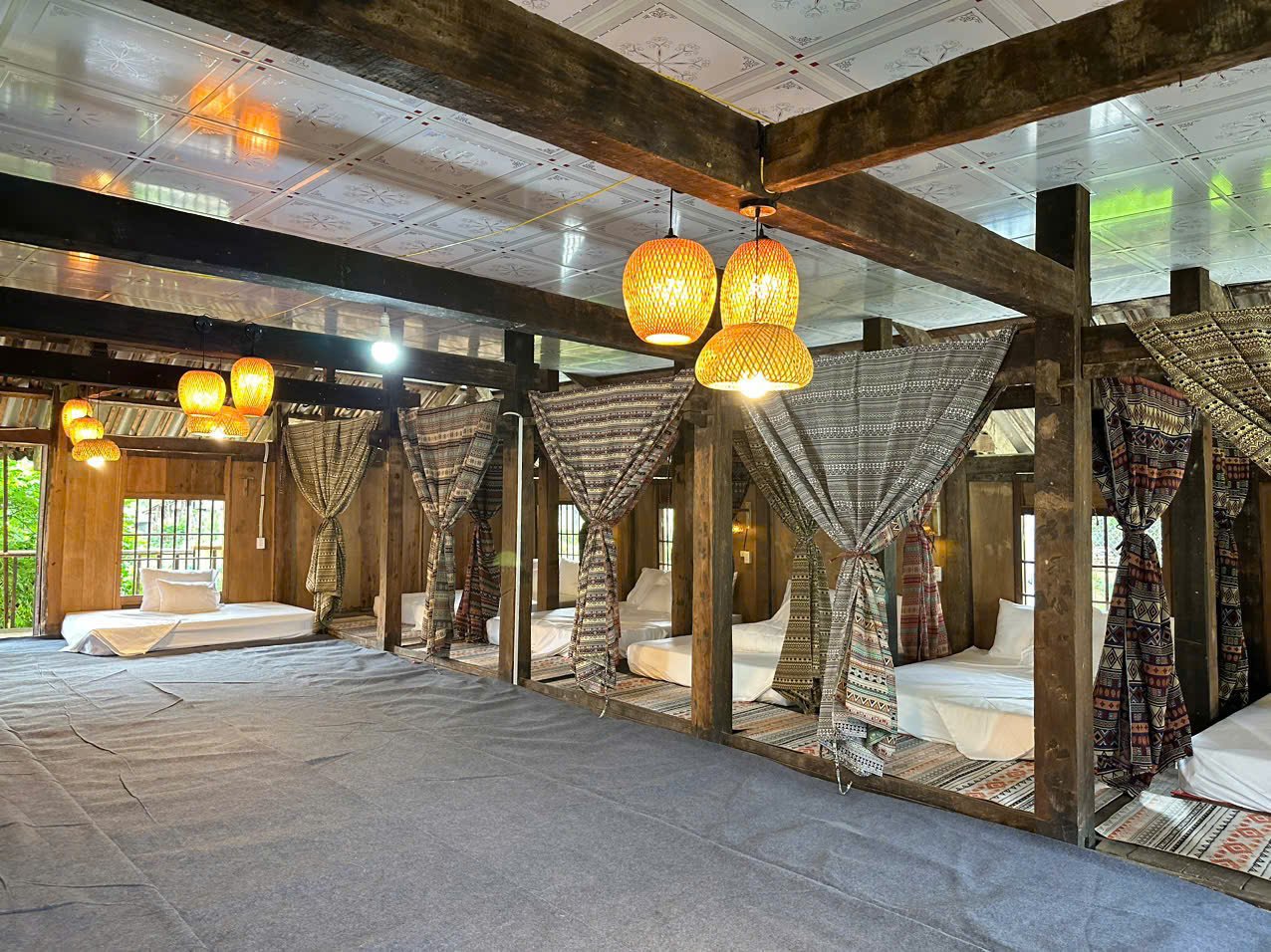
Dormitory
Included in every tour
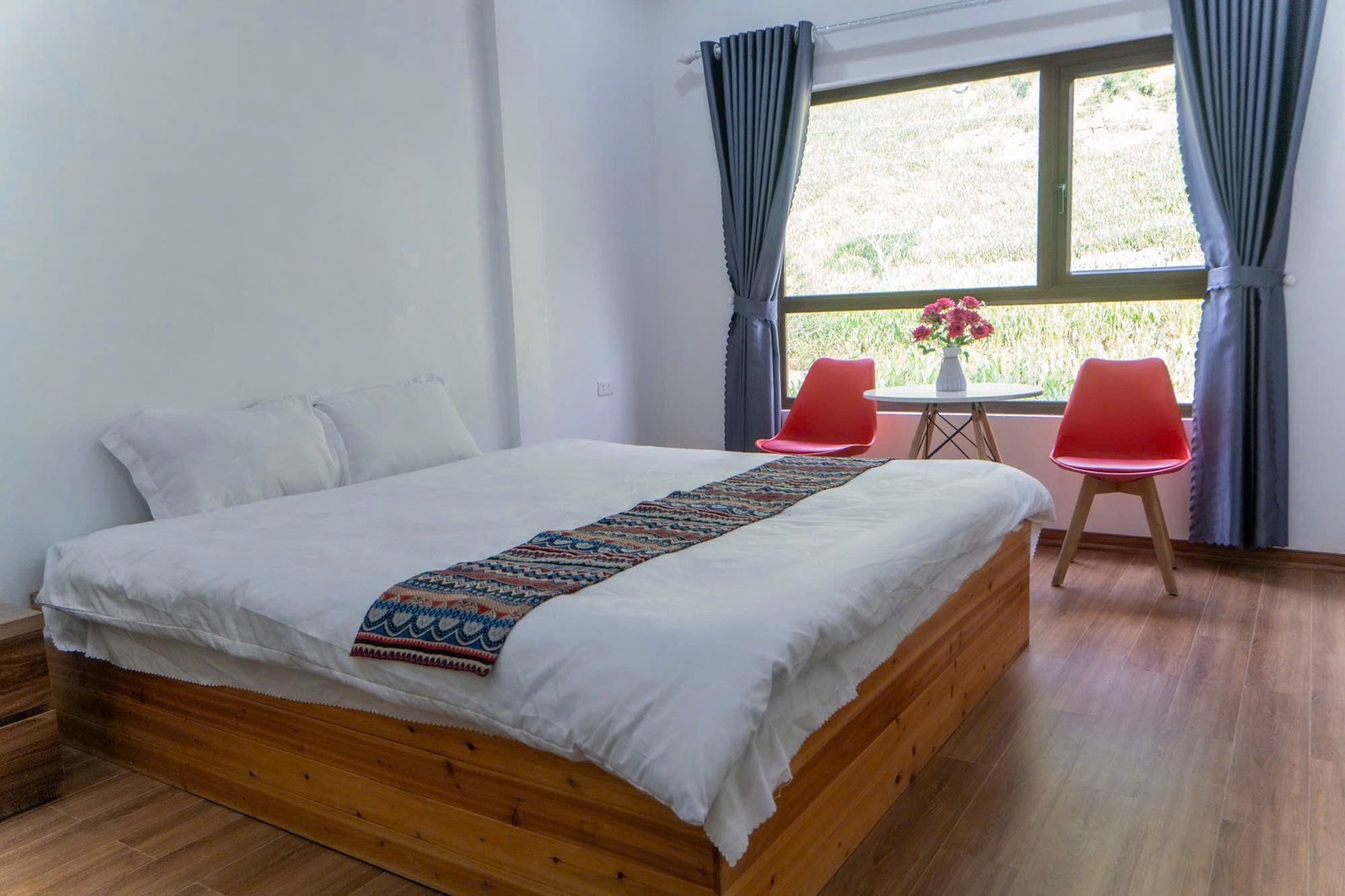
Your own bed, your own mosquito net, your own blanket, in a room you share with your group. It's the standard option, and it's where the evenings happen — people talk, cards come out, and you end up knowing everyone by breakfast. Plenty of guests who booked it reluctantly say afterwards they'd choose it again.
Private room
Supplement
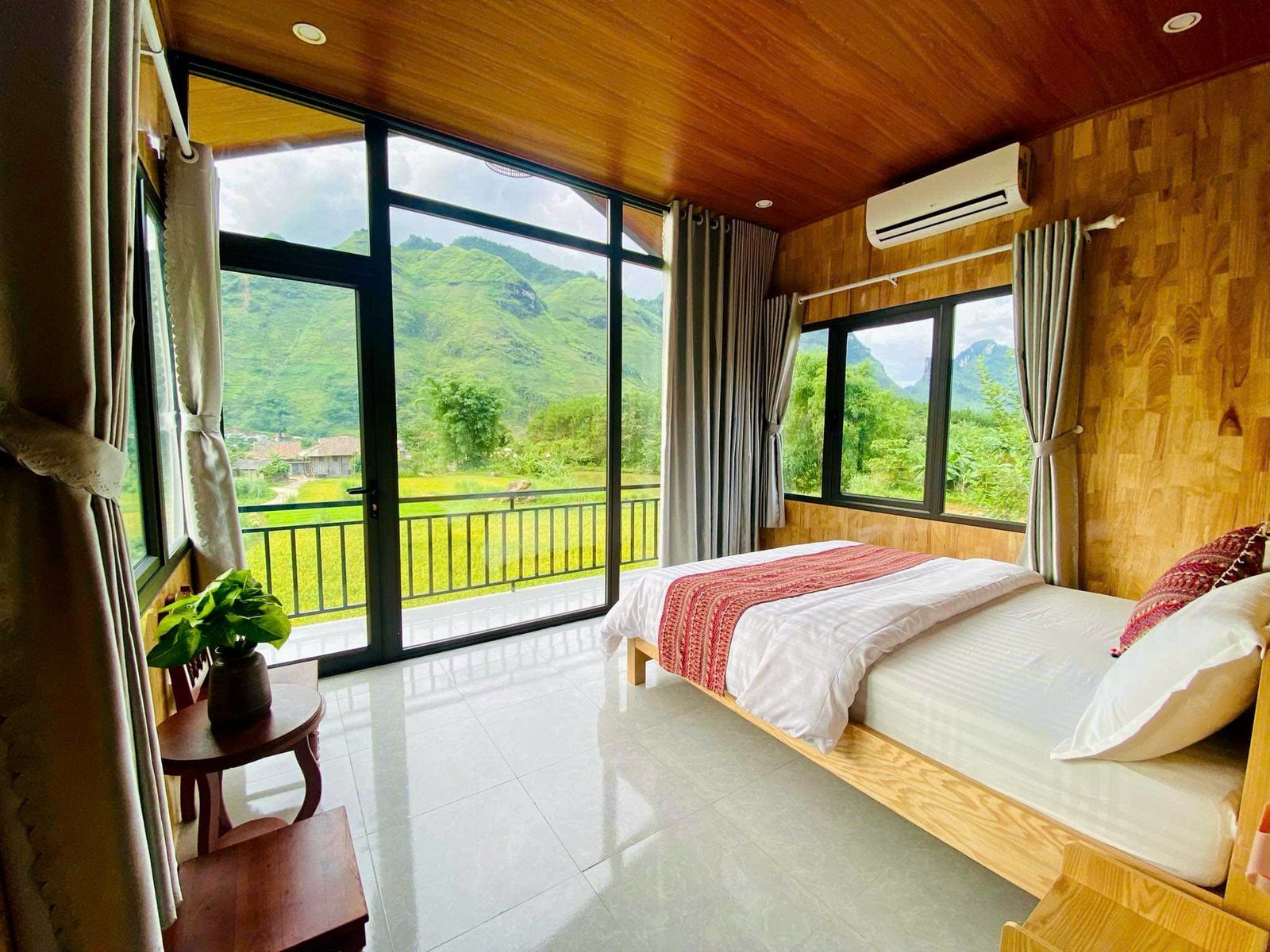
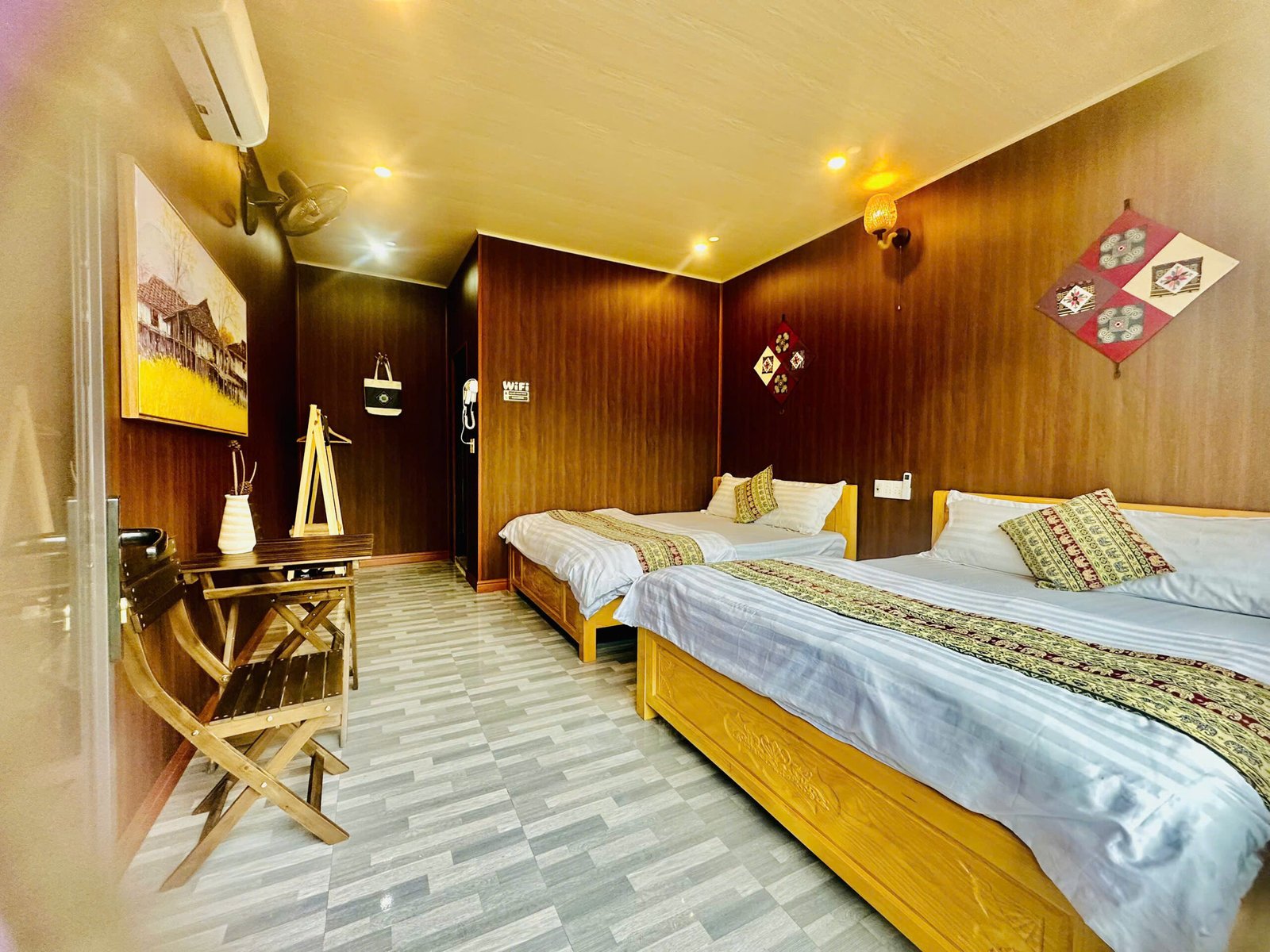
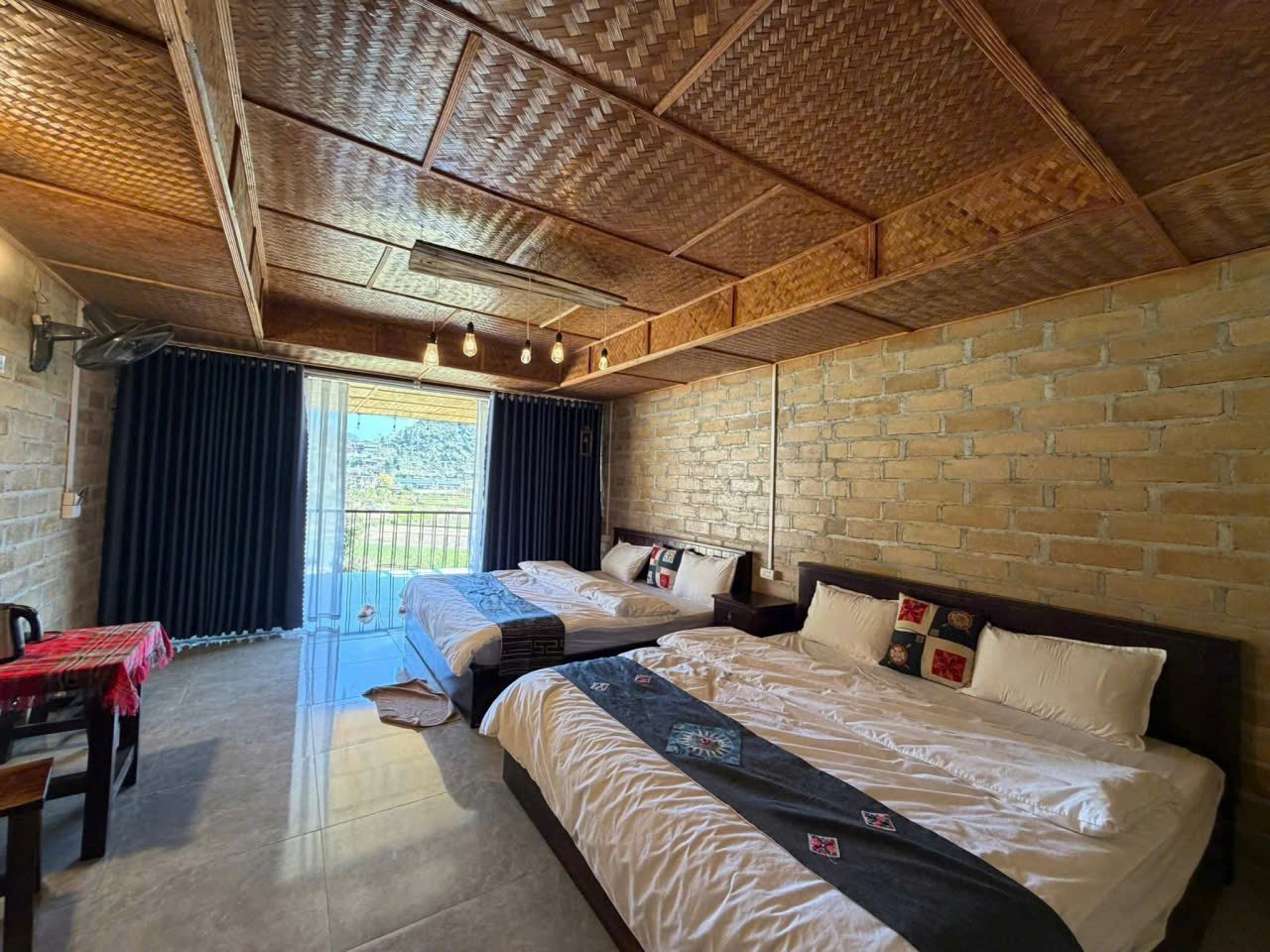
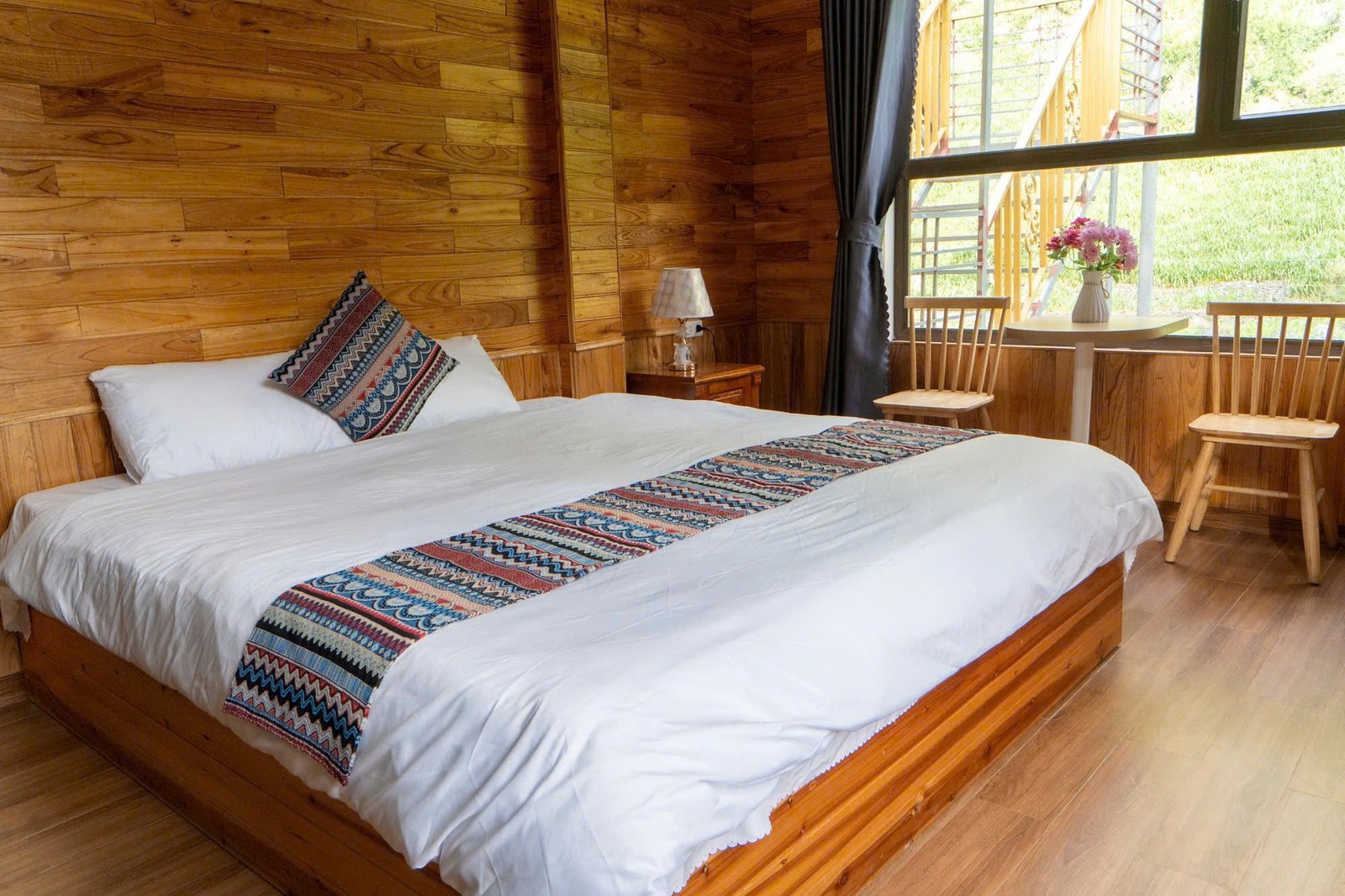
A long way from what the word « homestay » usually brings to mind. A room to yourselves, air conditioning, and in several of them a wall of glass opening straight onto the rice fields and the mountains behind. Worth asking about when you book — the good ones go early.
Want a Room to Yourself?
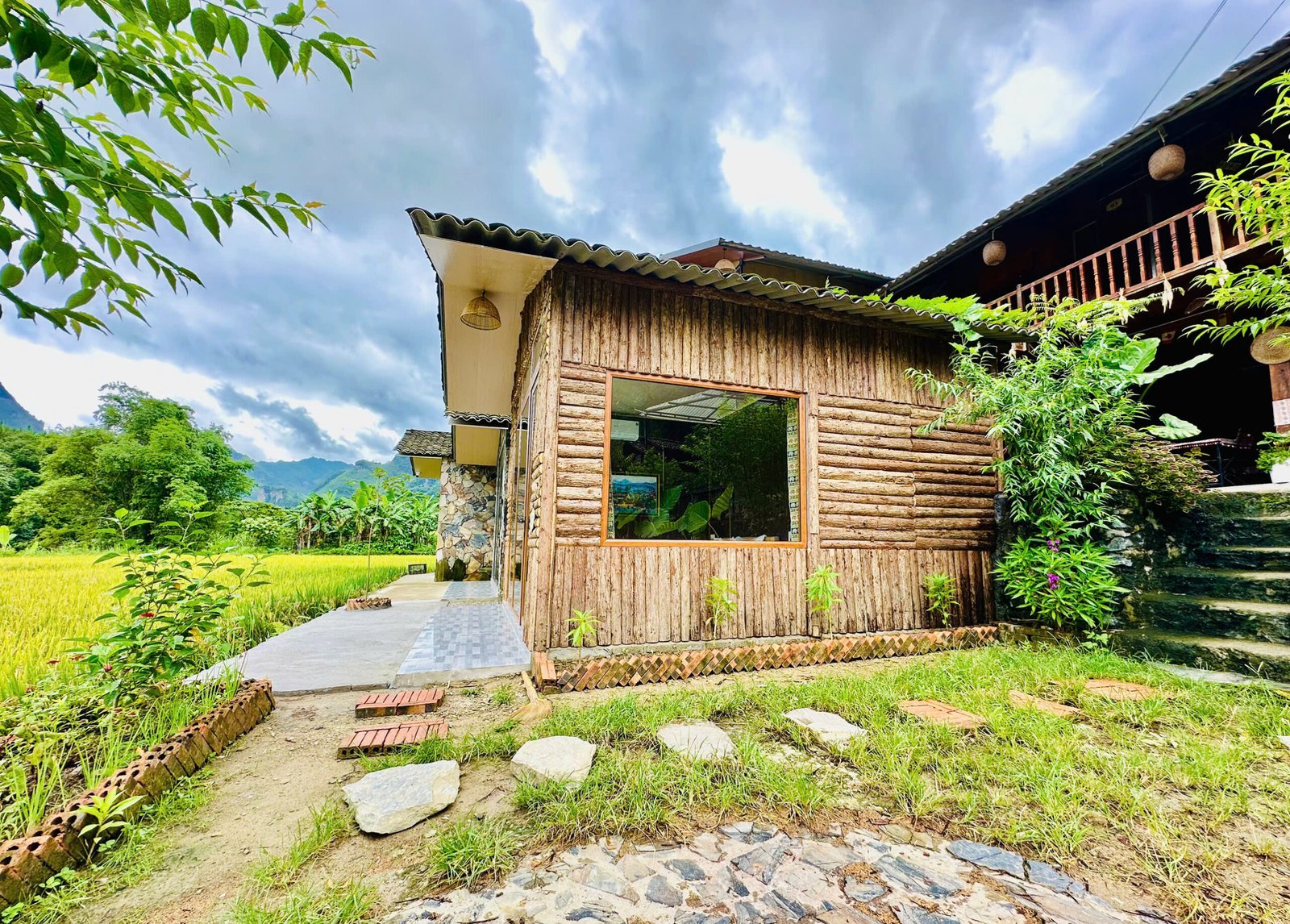
They're a long way from what most people picture when they hear « homestay » — proper beds, air conditioning, and in several of them a wall of glass opening onto the rice fields and the mountains behind.
Available on most nights of the loop, for a supplement. Availability depends on the village and the season, so tell us when you book rather than on the day — we'll confirm what's possible for your dates.
Worth knowing: a private room doesn't always come with a private bathroom. It depends on the homestay.
Ask us about private roomsWinter, Summer, and What Changes
The homestays stay the same all year. The nights don't.
December — February
Cold nights
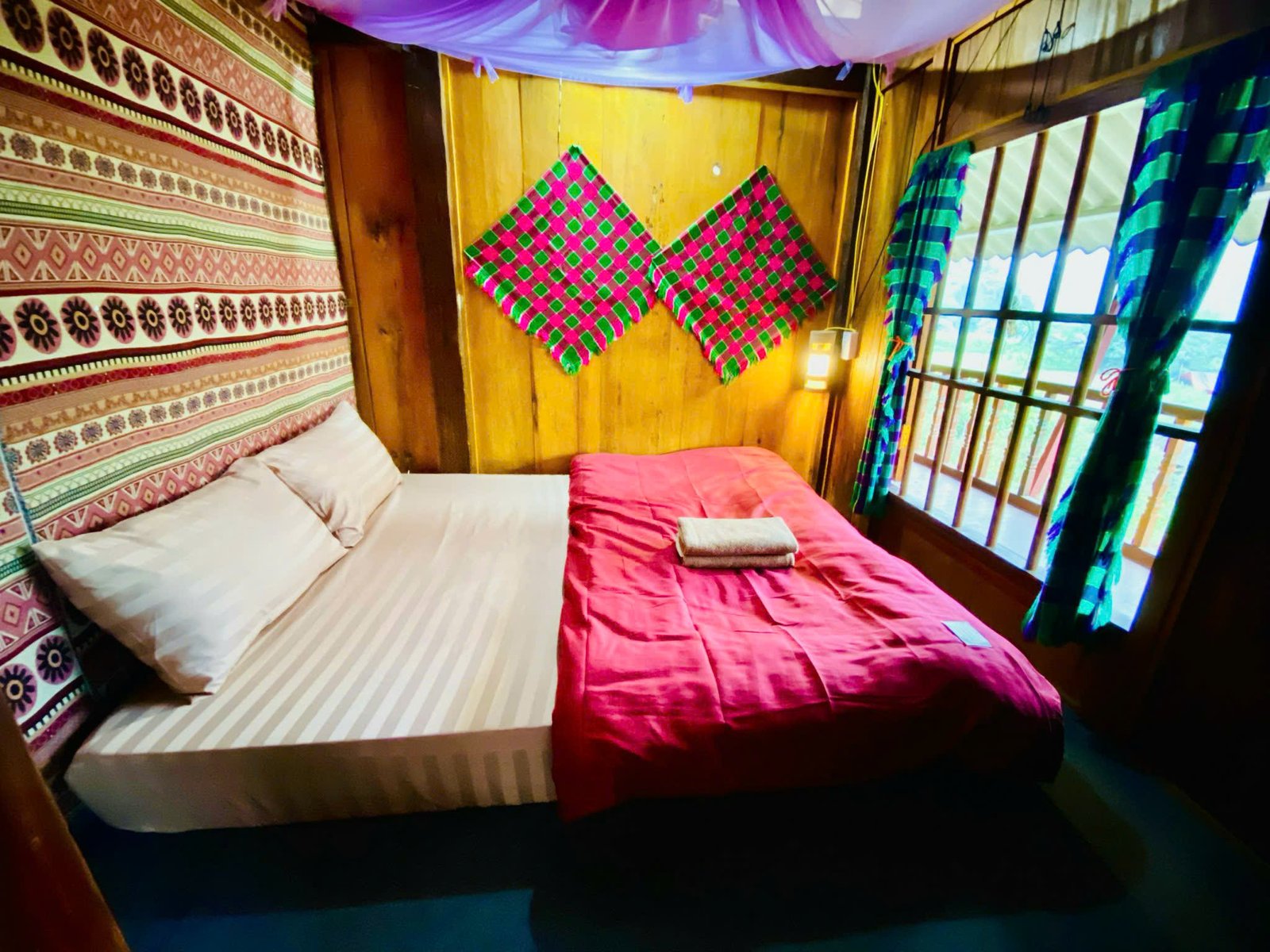
Mountain nights drop close to freezing, and the houses aren't heated. Every homestay provides thick blankets, and most guests sleep fine — but bring warm layers to sleep in and you'll be glad you did.
May — September
Warm and wet
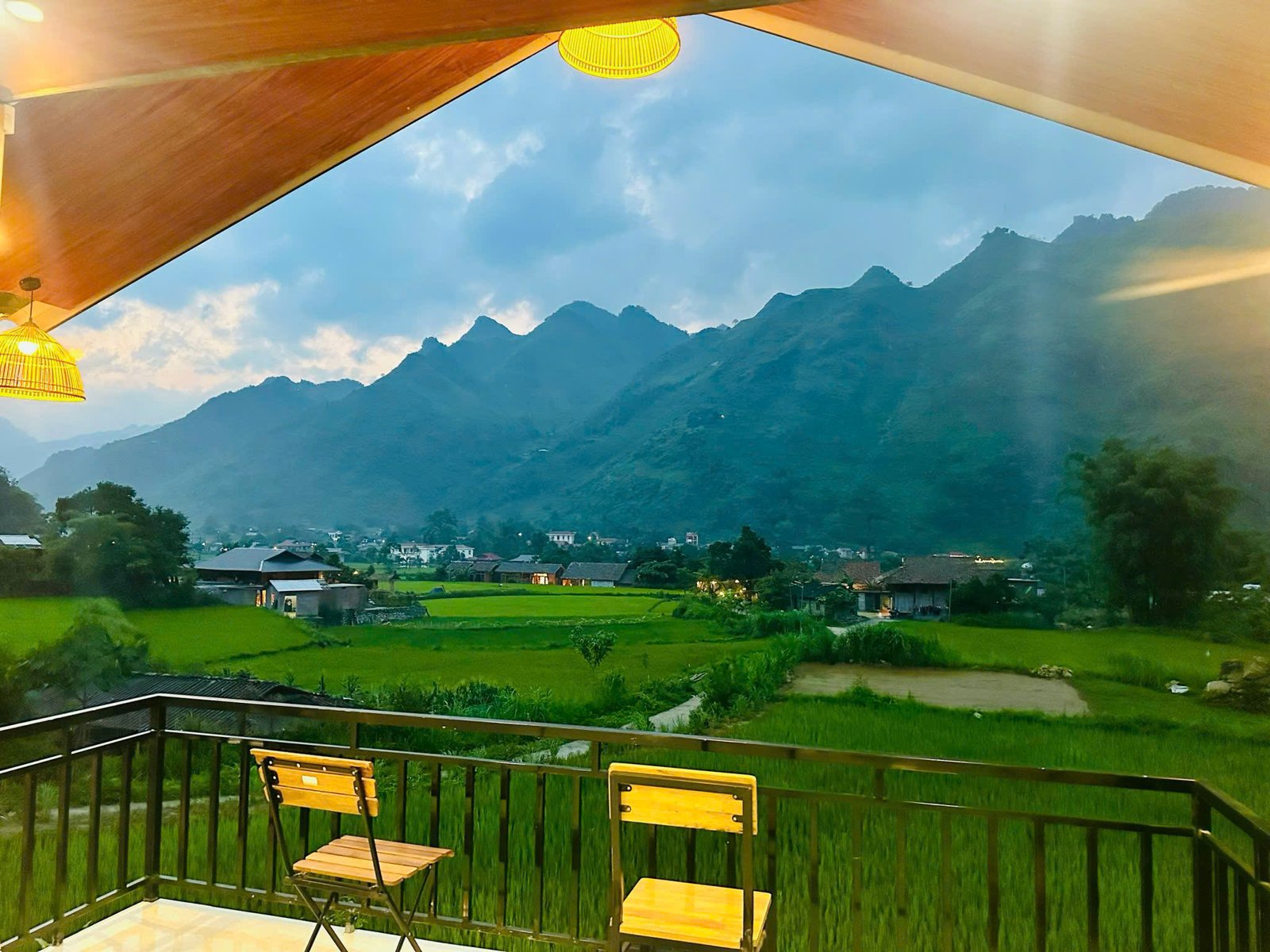
Nights are warm and the mosquito nets earn their keep. Rain is more likely, which mostly affects the riding rather than the sleeping.
March, April, October, November
The easiest months
Cool nights, dry days. Nothing in particular to plan for, beyond a jumper for the evening.
Your nights are already included
Every one of our Ha Giang Loop tours covers all your nights on the road — homestay, dinner, lunch and breakfast, from the moment you leave to the moment you're back.