Hoang Su Phi vs Sapa: Which Northern Vietnam Rice Terraces Should You Choose?
Sapa is the name everyone knows. It's on every itinerary, in every guidebook, and on every Instagram feed from Northern Vietnam.
Hoang Su Phi is the name most travelers have never heard — until they come back and tell everyone it was the highlight of their trip.
Both are rice terrace country. Both are in the far north of Vietnam. But they offer two very different experiences: one polished and accessible, the other raw and remote. This guide compares them honestly, so you can choose the one that fits what you're actually looking for.
Published October 2, 2026 · 12 min read
1. The Short Answer
If you're short on time: Sapa is the easier choice, Hoang Su Phi is the better one — if you're willing to travel a little further and trade comfort for authenticity.
Here's the quick version before we dive into details:
| If you want… | Choose |
|---|---|
| Easy access from Hanoi, hotels, restaurants | Sapa |
| Iconic rice terraces, well-trodden trails | Sapa |
| A comfortable, social, backpacker-friendly base | Sapa |
| Solitude on the trails | Hoang Su Phi |
| Terraces that feel wild, not curated | Hoang Su Phi |
| Homestays with real families, not tourist setups | Hoang Su Phi |
| The feeling of discovering somewhere before everyone else | Hoang Su Phi |
Now let's look at why — section by section.
2. The Landscape: Postcard Famous vs. Dramatically Raw
Sapa's rice terraces are genuinely beautiful. They've been photographed so many times that they've become the image people picture when they think of Northern Vietnam. The Muong Hoa Valley, in particular, is a classic — layered green steps falling into a valley, framed by mountains.
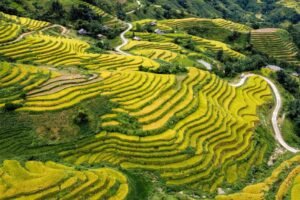
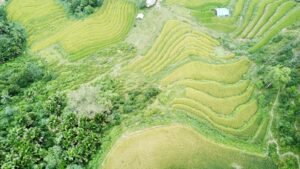
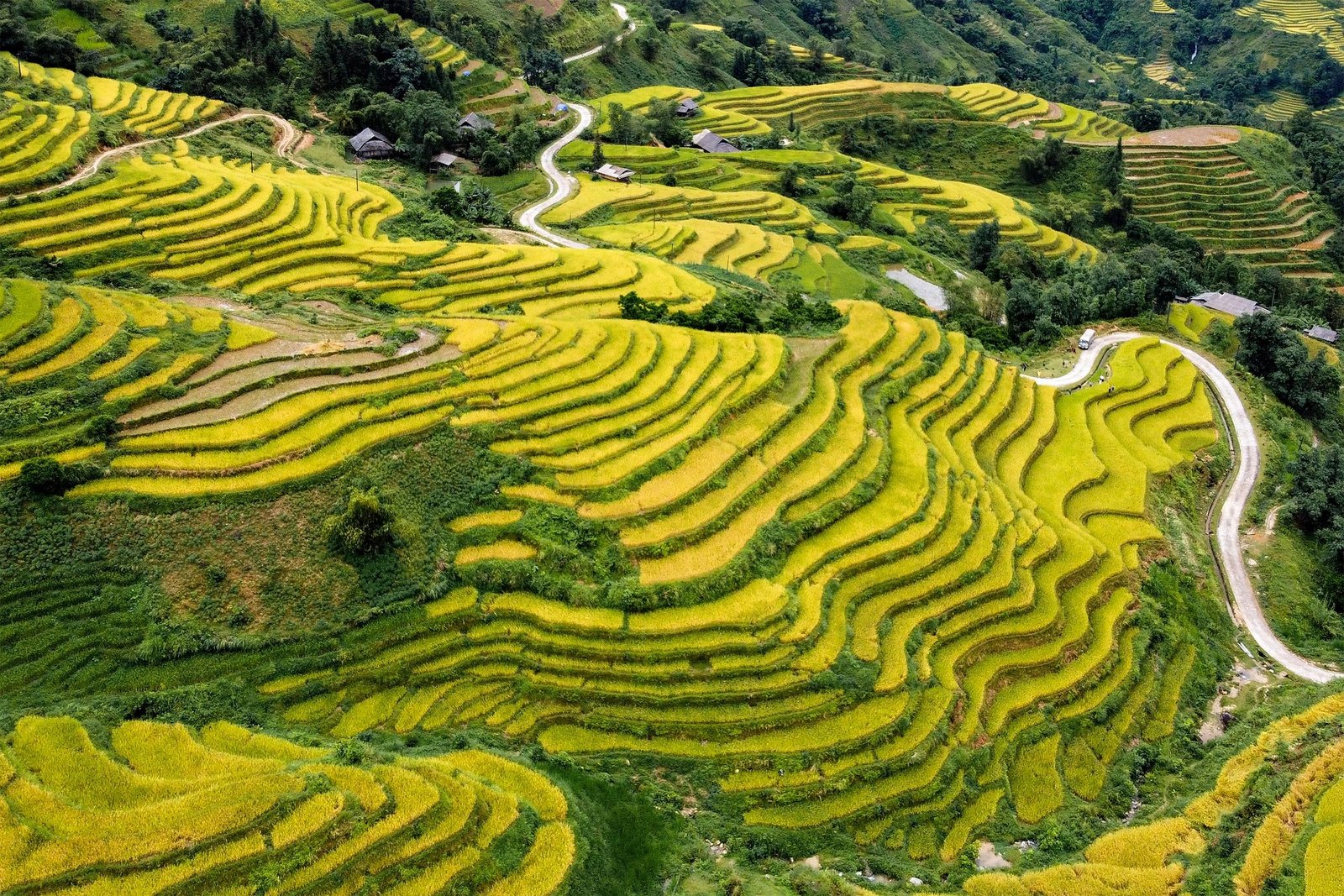
But the terraces of Hoang Su Phi are something else. They're steeper, less photographed, and more dramatic. Instead of a valley view, you're often standing inside the terraces — looking down slopes that fall away for hundreds of meters, with clouds drifting through the ridges below you.
The difference is subtle but real:
- Sapa — iconic, well-known, beautiful in a "yes, this is exactly what I expected" way
- Hoang Su Phi — overwhelming, raw, often described as "the most beautiful place I've ever seen" by travelers who had no expectations
Both landscapes deserve their reputation. But if you've seen rice terraces before, or you're looking for something that feels less like a picture and more like an experience, Hoang Su Phi is the answer.
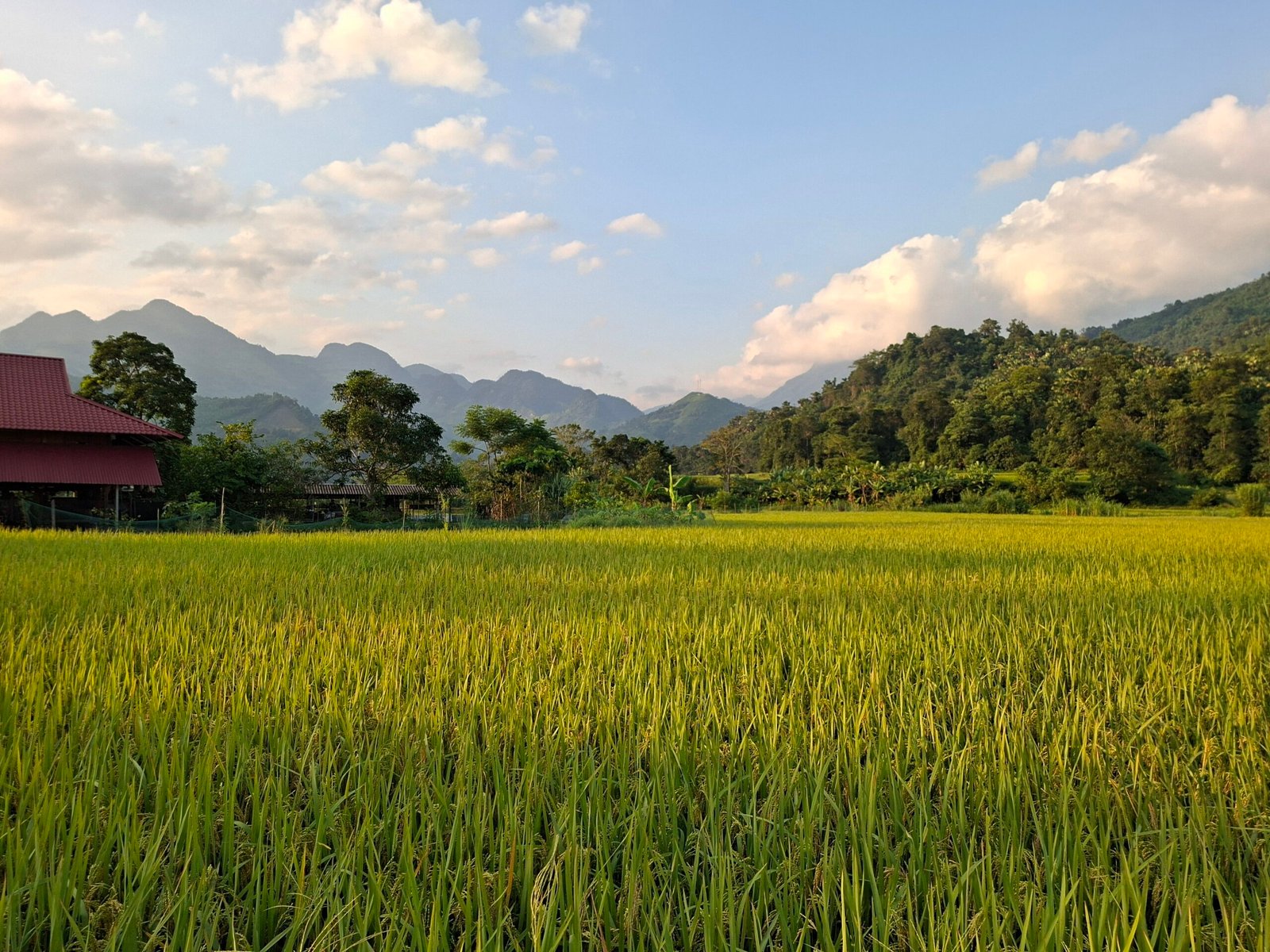
3. The Crowds: Busloads vs. Solitude
This is where the two destinations diverge the most.
Sapa receives millions of visitors per year. On a weekend in high season, the town centre is packed, the main trekking routes are busy, and the famous viewpoints come with queues. The villages closest to town — Cat Cat, Lao Chai, Ta Van — are lively but heavily commercialized.
Hoang Su Phi sees a fraction of that. On many trails you'll walk for hours and see no other travelers. The villages you pass through are working villages, not tourist stops. The homestays are family homes, not hostels.
What this means in practice:
- Sapa — you'll meet people, share rides, join group treks, and have plenty of company
- Hoang Su Phi — you might not see another foreigner all day, which is either the dream or a dealbreaker depending on you
Neither is objectively better. But if the reason you're traveling to Northern Vietnam is to get away from crowds, Hoang Su Phi is the obvious choice.
4. The Culture: Staged vs. Lived
Both regions are home to ethnic minority communities — Hmong, Dao, Tay, and others. But how you experience that culture is very different.
In Sapa, cultural tourism is a full industry. You can book a "traditional" homestay, join a "village experience," watch a "cultural performance." Some of it is genuine. Some of it is a show put on for visitors. Either way, you're rarely the only outsider in the room.
In Hoang Su Phi, the culture isn't packaged. You stay with families who host because they have a spare room, not because they run a business. You eat what they eat. You help with the corn if you want to. You wake up to the sound of the village, not a tour group leaving for the day.
This doesn't mean Hoang Su Phi is "more authentic" in some moral sense. It means the ratio of local life to visitor infrastructure is different. If you want to feel like a guest in someone's home, Hoang Su Phi is that. If you want a structured cultural experience with English-speaking guides, Sapa does it better.
5. The Access: Easy vs. Earned
Getting to Sapa is simple. You take a night bus or train from Hanoi, arrive in the morning, and walk into town. There are hotels, restaurants, tour offices, and everything else you need within 500 meters of the bus stop.
Hoang Su Phi is more of a commitment. From Hanoi, it's about 7 to 8 hours by road, often on winding mountain passes. There are no direct tourist buses. You either drive yourself, hire a private car, or join an organized tour.
Here's the honest comparison:
- Sapa — accessible, comfortable, forgiving if you arrive without a plan
- Hoang Su Phi — remote, requires logistics, rewards those who make the effort
That extra distance is exactly why Hoang Su Phi is quiet. It's not a barrier — it's the filter that keeps it the way it is.
6. The Timing: Best Season for Each
Both regions have their own rhythms, but the best windows are slightly different.
Sapa
- March–May — mild temperatures, blooming flowers
- September–November — golden rice terraces, clear skies
- Avoid — June–August (heavy rain, leeches, muddy trails), December–February (cold, foggy, sometimes snow)
Hoang Su Phi
- Late September–mid October — the golden terraces, the top reason people come, the region's famous harvest season
- May–June — water season, terraces flooded and reflective, mirror-like
- March–April — quiet, mild, fewer visitors
- December–February — misty, foggy
If your trip is centered on rice season, both peak around late September. But Hoang Su Phi's harvest season is genuinely famous among photographers — it's the reason some people plan their entire Vietnam trip around this one week.
7. Food & Homestays: Restaurants vs. Family Tables
In Sapa, you eat at restaurants. Some are good, some are tourist traps, most are somewhere in between. You can find Western food, Vietnamese classics, vegetarian options, and happy hour. It's convenient and predictable.
In Hoang Su Phi, you eat with your hosts. Dinner is whatever the family is cooking — usually rice, vegetables, some pork or chicken, and maybe a shot of local corn wine if they like you. It's not a menu. It's a meal.
The homestays follow the same logic:
- Sapa — homestays designed for tourists, with Western beds, Wi-Fi, and English-speaking hosts
- Hoang Su Phi — traditional wooden houses, thin mattresses, shared bathroom, and a real family living their life around you
Neither is objectively better. But if you want the feeling of being welcomed into a home rather than checked into a room, Hoang Su Phi delivers it.
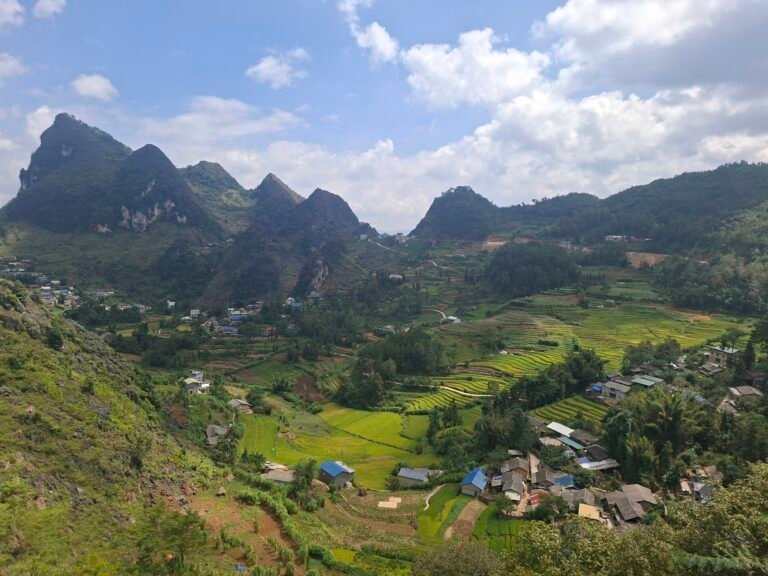
8. Why We Still Choose Hoang Su Phi
We run tours in Ha Giang and Hoang Su Phi. We've spent years in this part of Northern Vietnam. And when people ask us where to go between Sapa and Hoang Su Phi, we usually say the same thing:
Go to Hoang Su Phi if you want the north without the crowds. Go to Sapa if it's your first time in Vietnam and you want the easy version.
Here's why we keep coming back to Hoang Su Phi:
- The terraces are steeper, more dramatic, and less photographed
- You can walk for hours without seeing another traveler
- The homestays are real homes, not businesses
- The roads are quieter, the villages are living, the culture is present
- It feels like a place you're discovering, not a place you're visiting
Our honest take: Sapa is worth doing once. Hoang Su Phi is worth coming back to.
If that sounds like the trip you're looking for, we'll take you there.
The Verdict
Sapa and Hoang Su Phi aren't really competitors. They're two answers to the same question, and the right one depends on you.
Choose Sapa if you want accessibility, comfort, and a well-trodden version of Northern Vietnam. It's beautiful, it's easy, and there's a reason it's so popular.
Choose Hoang Su Phi if you want the quiet version — steeper terraces, real homestays, empty trails, and the feeling that you've found somewhere before the rest of the world catches up.
Both will show you rice terraces. Only one will make you feel like you earned them.
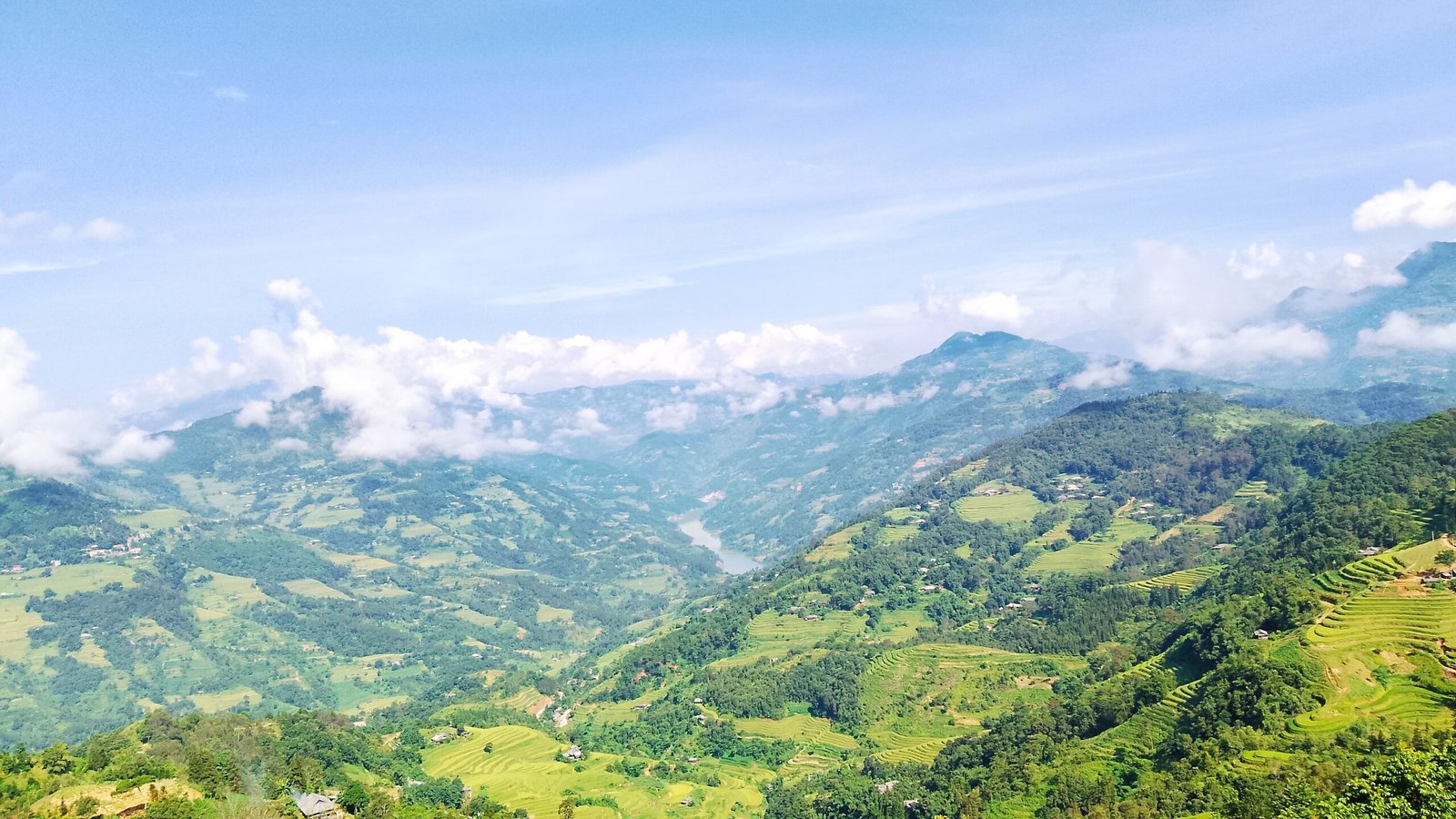
Experience Hoang Su Phi With Local Guides
Our 3-day Hoang Su Phi tour takes you through the terraces, villages, and homestays that most travelers never find. Small groups, licensed local riders, and a slower pace.
See the 3-Day Hoang Su Phi TourFrequently Asked Questions
Is Hoang Su Phi better than Sapa?
"Better" depends on what you want. Hoang Su Phi is quieter, more dramatic, and less touristy. Sapa is more accessible, more comfortable, and easier to visit on short notice. For travelers seeking solitude and authenticity, Hoang Su Phi wins. For first-timers who want convenience, Sapa is the safer choice.
Is Hoang Su Phi worth visiting?
Absolutely — especially if you're drawn to rice terraces, remote mountain villages, and homestays with real families. Hoang Su Phi is often described as the highlight of Northern Vietnam by travelers who make the effort to get there.
How do I get to Hoang Su Phi from Hanoi?
From Hanoi, it's about 7 to 8 hours by road. There are no direct public buses to Hoang Su Phi — most travelers either join an organized tour, hire a private car, or ride a motorbike. The most comfortable option is a guided tour with transport included.
What is the best time to visit Hoang Su Phi?
Late September to mid-October is the golden rice season — the most spectacular and most photographed window. May to June is the water season, when terraces are flooded and mirror-like. March and April are quieter, with mild weather and fewer visitors.
Can I visit Hoang Su Phi without a tour?
Yes, but it requires more planning. You'll need to arrange transport (private car or motorbike), book homestays in advance, and be comfortable navigating mountain roads. A guided tour removes all of that friction and often costs less than booking the same logistics yourself.
How long should I stay in Hoang Su Phi?
Two to three days is ideal. It gives you time to explore the terraces at a relaxed pace, stay in at least one homestay, and visit two or three different villages. Trying to see it in one day is technically possible but misses the point.